Buying or Selling a Home in DFW This Fall? Here’s What the Roof Inspection Will Find
Fall is DFW’s second real-estate season. A lot of homes go under contract between now and Thanksgiving, and almost every one of those deals hits the same speed bump: the roof section of the inspection report.
Whether you’re buying or selling, the roof is usually the most expensive item an inspector can flag. Here’s what they look for, what it means, and how to keep a roof from blowing up your closing.
Why the roof carries so much weight
Two reasons. Cost: a full replacement is usually the single most expensive item in the report, so it moves negotiations more than anything else. Insurability: buyers can’t close without homeowners insurance, and Texas carriers have gotten strict about roof age and condition. A roof that’s 15-plus years old or shows hail damage can mean a higher premium, an actual-cash-value roof endorsement instead of full replacement coverage, or a declined policy until the roof is replaced. Nobody sees that coming until the buyer’s insurance agent calls.
What the home inspector checks (and what they don’t)
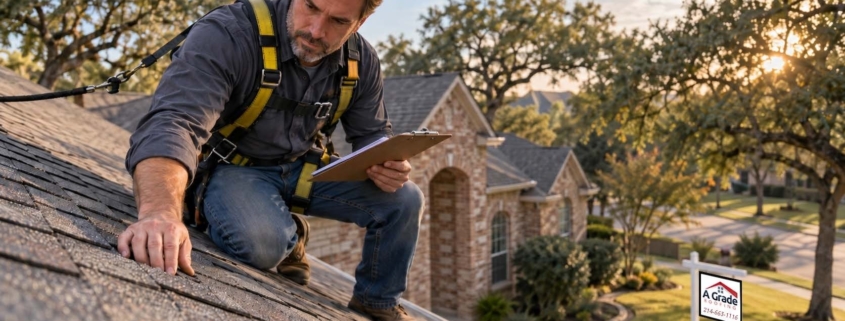
A standard Texas home inspection covers the roof, but it’s a general visual pass, often from the ground, a ladder, or a drone. The inspector notes the covering type, obvious damage, and visible problems around penetrations. What they typically don’t do is walk every slope, lift shingles to check seal, or evaluate hail bruising up close. When the report says “recommend evaluation by a roofing contractor,” that isn’t boilerplate. It’s your cue to get a specialist on the roof before the option period ends.
The findings that show up most on DFW roofs
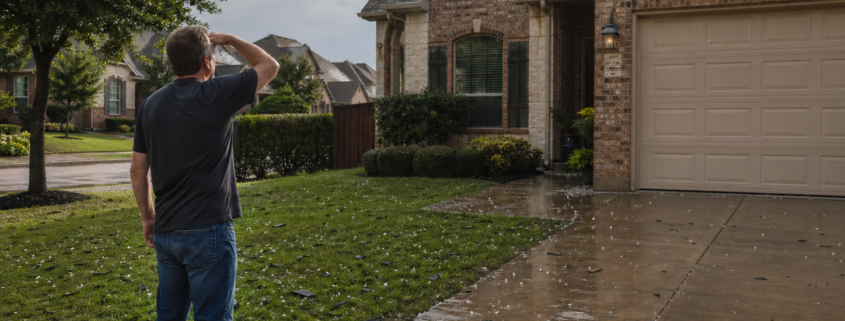
Hail damage. The big one in North Texas. Bruised or fractured shingles, granule loss on the slopes that faced the storm, dented vents and gutters. It’s often invisible from the ground, and if it’s found, it may be an insurance claim rather than a seller expense.
Age and remaining life. Architectural shingles in DFW heat realistically last 20 to 25 years; three-tab, less. A roof called “near end of service life” makes lenders and insurers nervous even if it isn’t leaking.
Flashing and penetrations. Cracked pipe boots, lifted step flashing, failed sealant at vents and chimneys. The most common real leak sources on an otherwise sound roof, usually cheap to fix, but they read badly in a report.
Ventilation, prior repairs, and decking. Blocked attic ventilation ages shingles early and can void a warranty. Mismatched patches and smeared tar raise the question of what else was done cheaply. Soft spots and sagging planes are rare but serious.
If you’re the seller, get ahead of it
The worst time to learn about your roof is from the buyer’s inspector after you’ve agreed on a price. A pre-listing inspection costs little or nothing and gives you options the buyer’s timeline doesn’t:
- Fix the small stuff before you list. Pipe boots, sealant, a few shingles. A small repair bill now avoids a repair addendum later.
- File a claim if there’s storm damage. Legitimate hail or wind damage is a claim, not a concession. Sellers regularly replace the roof through insurance and list with a brand-new roof, which sells. Filing deadlines run from the storm date, so don’t wait.
- Price it in and disclose. If the roof is simply old, get a written estimate and put the number on the table. Buyers handle a known number far better than a surprise.
Texas also requires you to disclose known roof conditions and prior repairs on the Seller’s Disclosure Notice. Knowing what’s up there protects you legally, not just financially.
If you’re the buyer, use the option period
The option period is short. If the inspector flags anything on the roof, get a roofing contractor out during that window, not after. You want three answers: Is there storm damage that could be claimed? What’s the realistic remaining life? What will the insurer say? With those, you can negotiate a repair, a credit, a seller-paid replacement, or walk away before your earnest money is at risk.
Ask for the roof’s installation date, the contractor, the shingle product, and any warranty paperwork. A documented 8-year-old roof and an “unknown age” roof that looks the same are treated very differently by insurers and buyers.
One caution: be wary of a “free inspection” from a company that arrives already talking about a full replacement. A real inspection tells you the condition and the options. It doesn’t start with the conclusion.
Where A Grade stands
A Grade Roofing inspects roofs across Dallas-Fort Worth for buyers, sellers, and agents every week of the fall. You get a written condition report with photos, a plain-English read on remaining life, and, if there’s storm damage, help with the insurance claim so the roof gets replaced the right way before closing. We’re local, we’ll be here after the deal, and we can walk you through what warranty coverage carries over to a new owner.
Under contract, or about to list? Call A Grade at 214-663-1116 for a roof inspection this week, and go into the negotiation knowing exactly what’s up there.